Kitchen Backsplash Brick and Stone Cladding: Ideas and Tips
Brick and stone kitchen backsplashes: which models and colours to choose, what to do behind the hob, protective sealing and easy-cleaning tips.
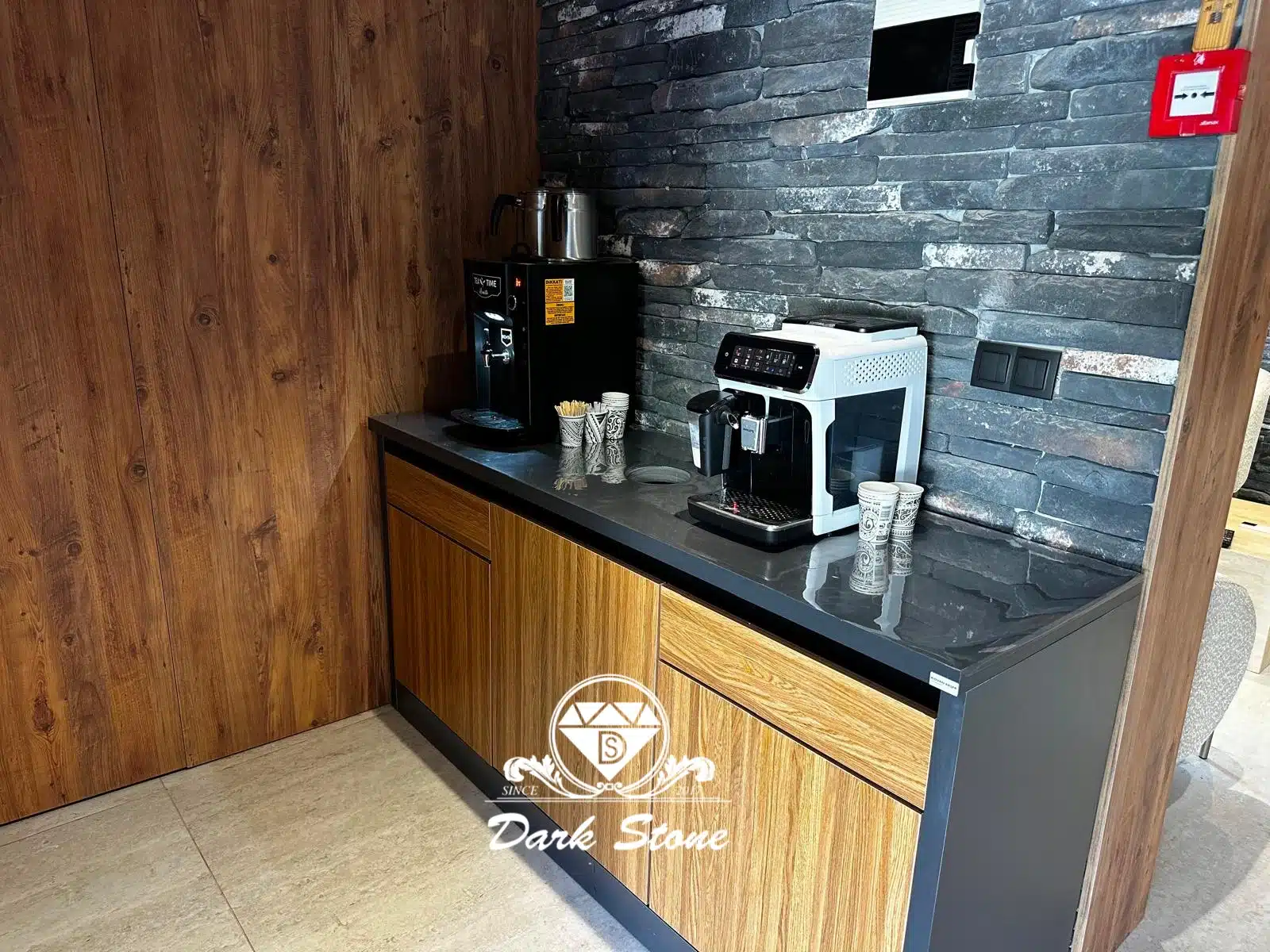
The kitchen backsplash is one of the most visible surfaces in the kitchen. Choosing brick or stone instead of standard tiles gives the kitchen a warm, characterful, handmade feel. Because kitchens are full of grease, water and steam, though, a few points need attention when choosing and installing the material.
Benefits of a brick backsplash
- Character: brick texture contrasts beautifully with flat cabinet doors and lifts the kitchen out of the ordinary.
- Variety: from white to red, anthracite to distressed tones, there is a colour for every kitchen style.
- Thin and light: cultured brick is a thin cladding, so it takes up little space and can be applied to the existing wall.
- Continuity: using the same brick on an adjoining dining or living-room wall unifies open-plan spaces.
Ideas by kitchen style
White and Scandinavian kitchens
With white cabinets and wooden worktops, white or cream bricks look bright and airy. Dark Cut Brick DS 413 (white – cream), Dark Linear Brick DS 1713 (white) and Dark Antique Brick DS 013 (white) are good choices.
Industrial and loft kitchens
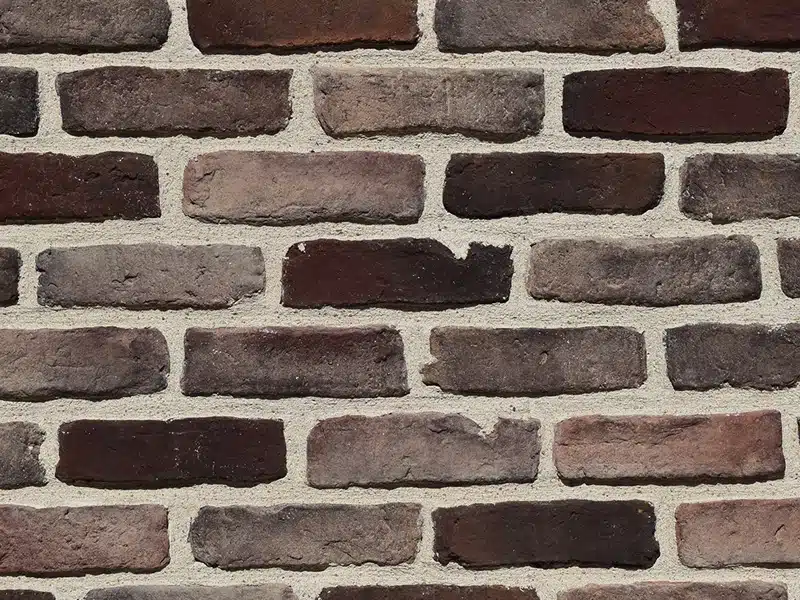
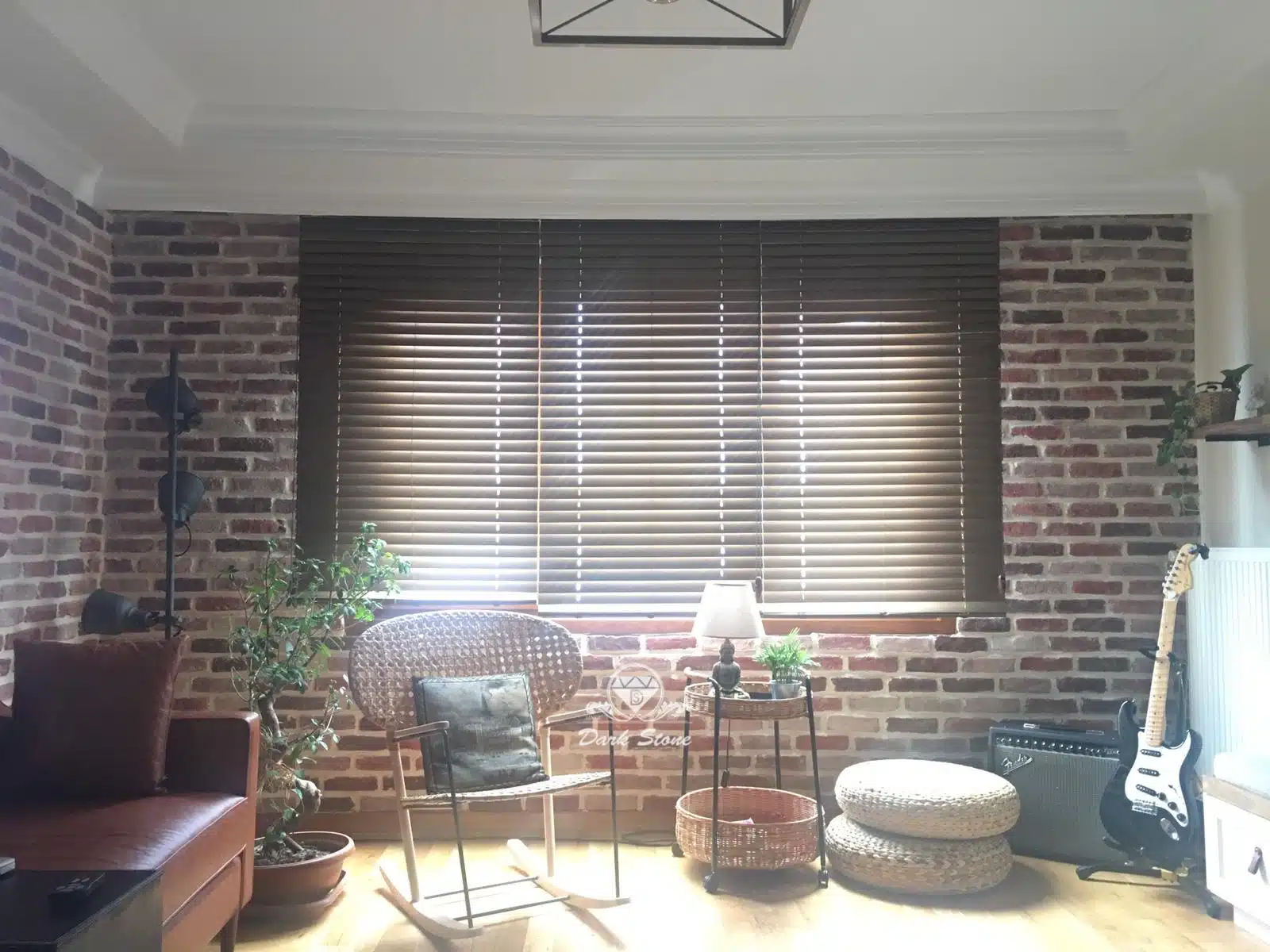
Red or distressed bricks pair perfectly with black or anthracite cabinets, metal shelving and exposed ceilings. The distressed colours of Dark Decor Brick and Dark Distressed Brick are favourites.
Rustic and country kitchens
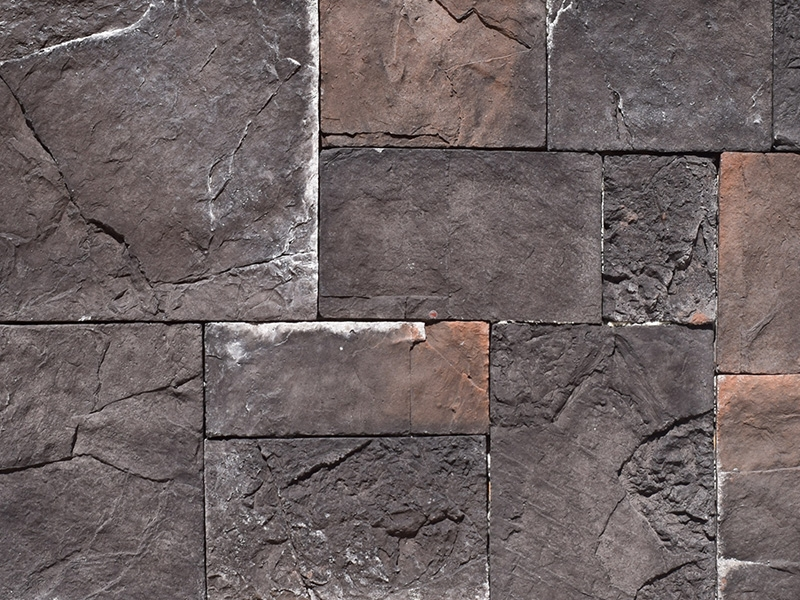
With wooden cabinets and natural worktops, stone texture or mixed-tone bricks create a warm country feel. Dark Slate Stone and Split Alaçatı Stone are often used in kitchens and coffee corners.
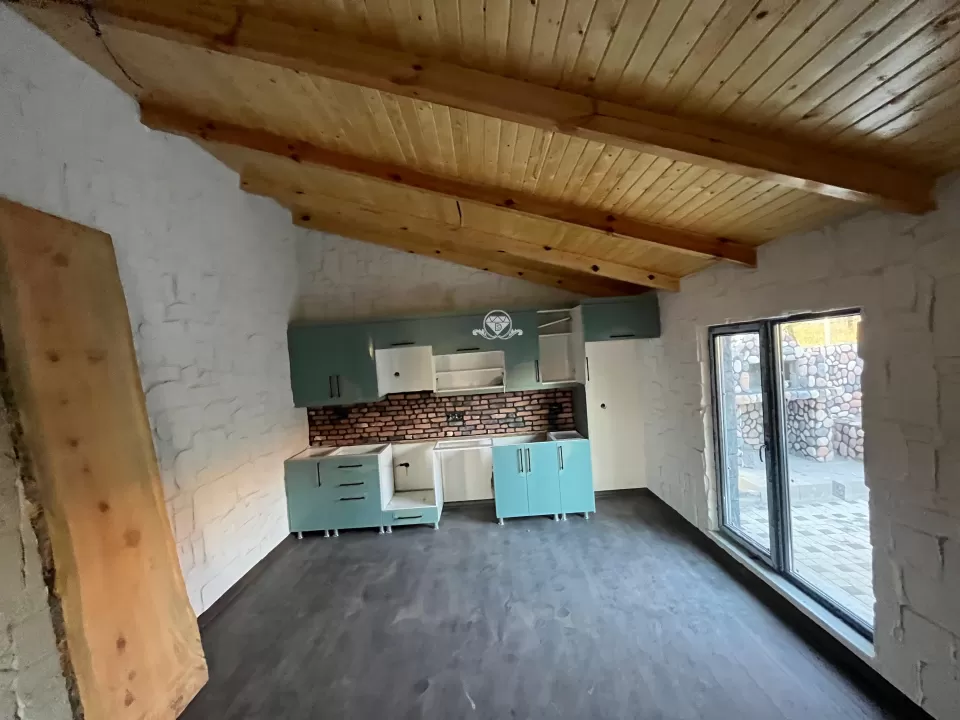
Modern kitchens
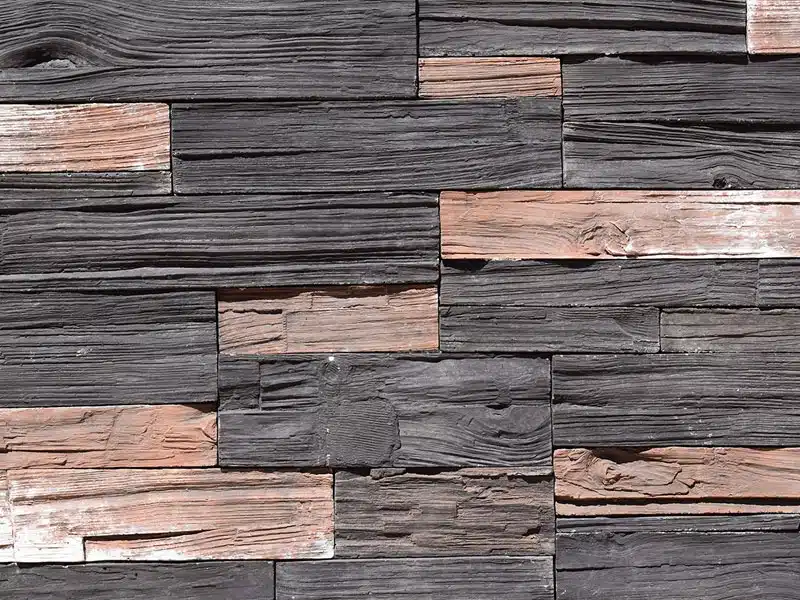
Grey and anthracite, flat-lined models suit handleless cabinets and smooth surfaces. Dark tones of Dark Stacked Brick or Dark Slate Stone add depth.
Installation considerations
Behind the hob
The area behind the hob is exposed to the most grease and heat. If you use brick or stone here, protect the surface with a sealer or add an easy-wipe glass panel behind the hob. Choose the adhesive and method for heat-exposed surfaces with your installer.
Protective sealer
Stone and brick are porous, so a water- and oil-repellent sealer can help in kitchens. Ask your installer about suitability and how often to reapply.
Joints
In jointed installations, joint lines can collect dirt. A slightly darker joint colour in the kitchen makes marks less noticeable over time.
Sockets and lighting
Plan sockets, switches and under-cabinet lighting before cladding. LED light washing down from under the cabinets brings out the brick texture beautifully.

Cleaning
Backsplash brick and stone can be cleaned regularly with a damp cloth or soft brush. Avoid acidic, bleach-based or abrasive cleaners. See stone and brick cladding care for details.
Let’s choose the right brick for your kitchen
We explain how to choose brick colours by room in our brick colour guide. Browse all models on the cultured brick page and see them up close in our Ankara showroom. Contact us for a quote.
Frequently asked questions
Can brick be used as a kitchen backsplash?
Yes, cultured brick is often used for backsplashes. A protective sealer against grease and water, and extra protection behind the hob, are recommended.
Which brick colour is best for a kitchen?
White and cream look airy and match easily; red and distressed tones suit industrial kitchens, anthracite and grey modern ones.
How do I clean a brick backsplash?
Use a damp cloth or soft brush and avoid acidic or abrasive products.