Exterior Stone Cladding Guide: Models, Colours and Installation
An exterior stone cladding guide: which parts of the façade to clad, choosing models and colours by style, surface preparation, detailing and garden walls.
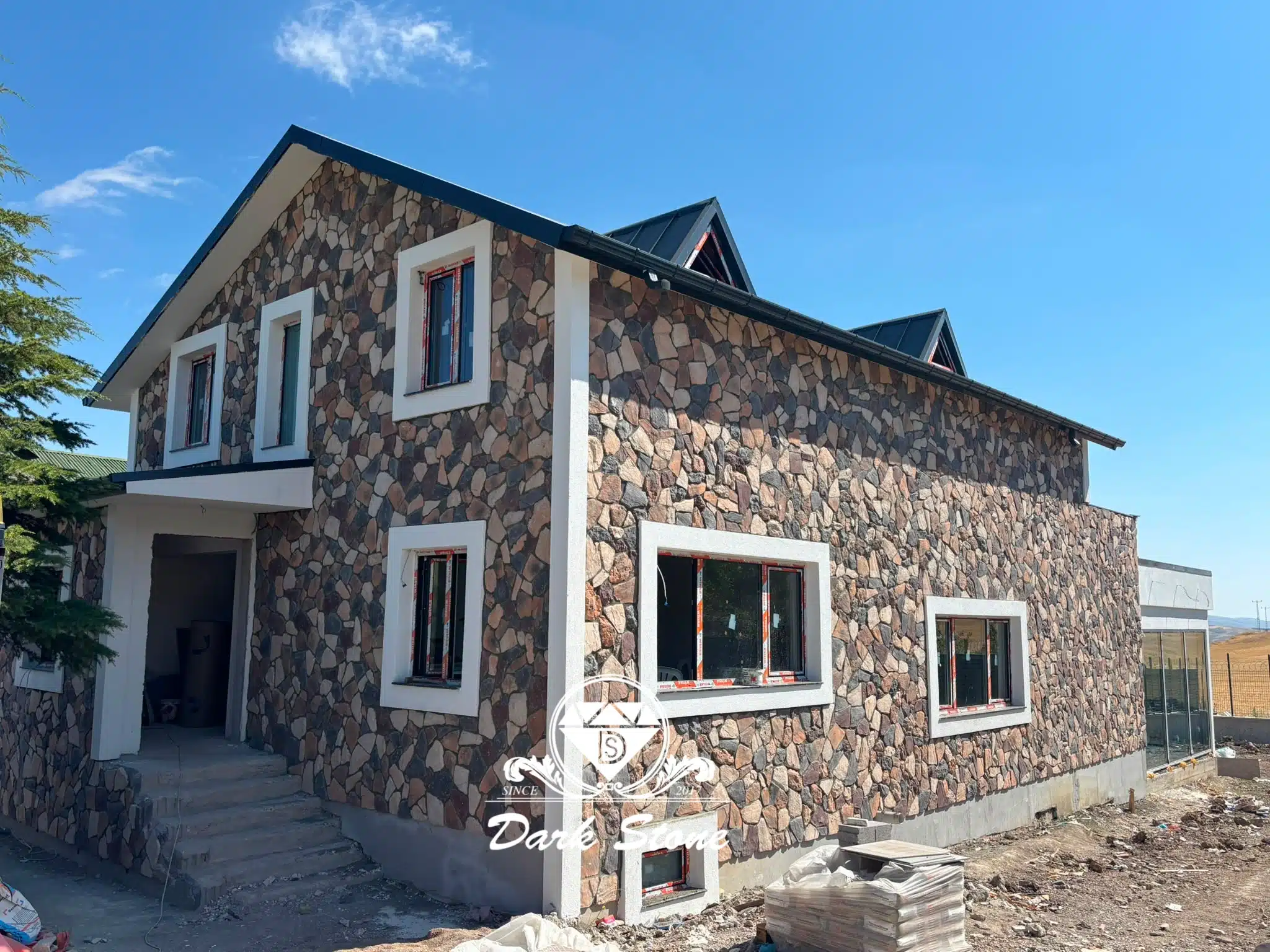
A building’s façade instantly tells you about its owner’s taste and the quality of the building. Stone cladding is one of the most effective ways to give a façade a natural, strong and timeless look. This guide walks through the decisions to make when planning exterior stone cladding.
Which parts of the façade should be clad?
Cladding the entire façade does not always give the best result. Façades that balance stone with render or paint often look more modern and airy. Common options:
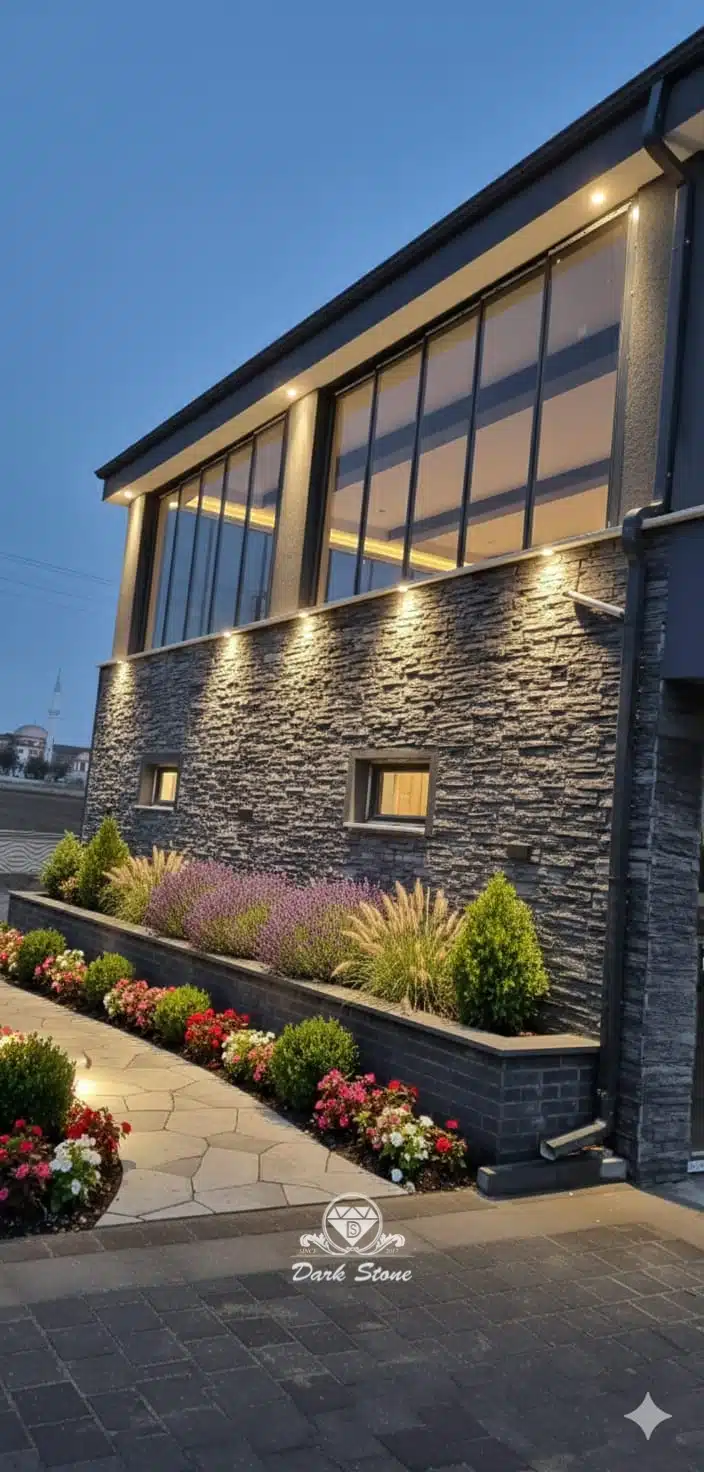
- Ground floor / plinth: cladding the base of the building gives it a solid footing.
- Entrance axis: highlighting the section with the front door or porch creates an inviting entrance.
- Vertical accents: stair cores, chimneys or projections clad in stone add rhythm.
- Full façade: rustic lodges, villas aiming for a stone-house look and smaller buildings can be fully clad.
Choosing a model by architectural style
Modern façades
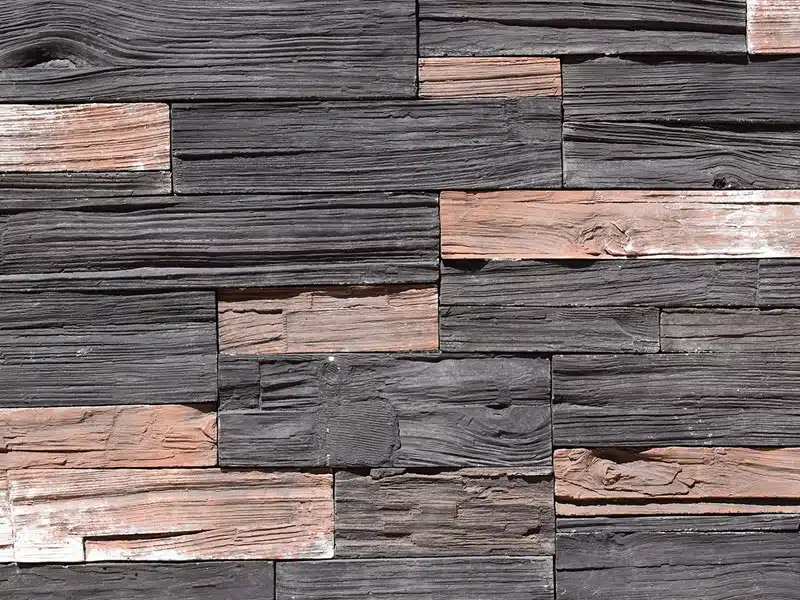
Thin, horizontally layered stones for straight lines, large glazing and simple forms. Dark Interlocking Slate Stone (10×50 cm interlocking panels), Dark Slate Stone, Dark Layered Stone and Symmetric Slate Stone are the most popular.
Rustic, stone-house look
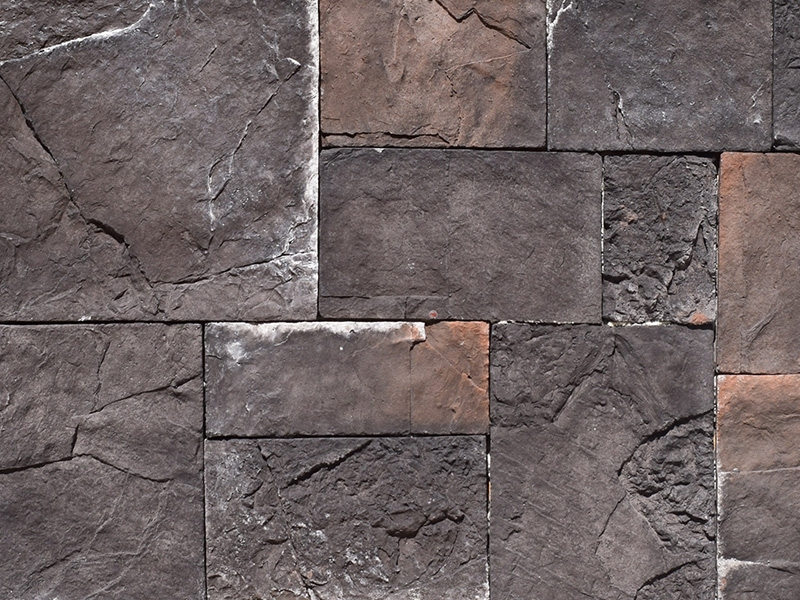
Irregular, mixed-tone stones for a house that looks entirely stone-built. Dark River Stone, Dark Fieldstone and Dark Castle Stone achieve this best.

Classic, grand façades
Dark Castle Block for large blocks and a castle-wall effect — especially strong on corners and columns.

Aegean-style façades
White and light tones with timber or blue joinery. Dark Alaçatı Stone and Split Alaçatı Stone stand out.
Brick façades
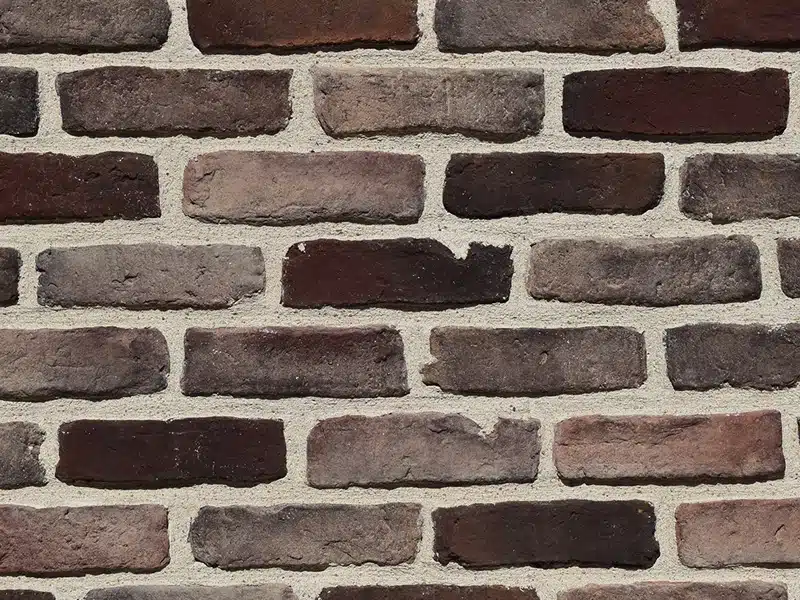
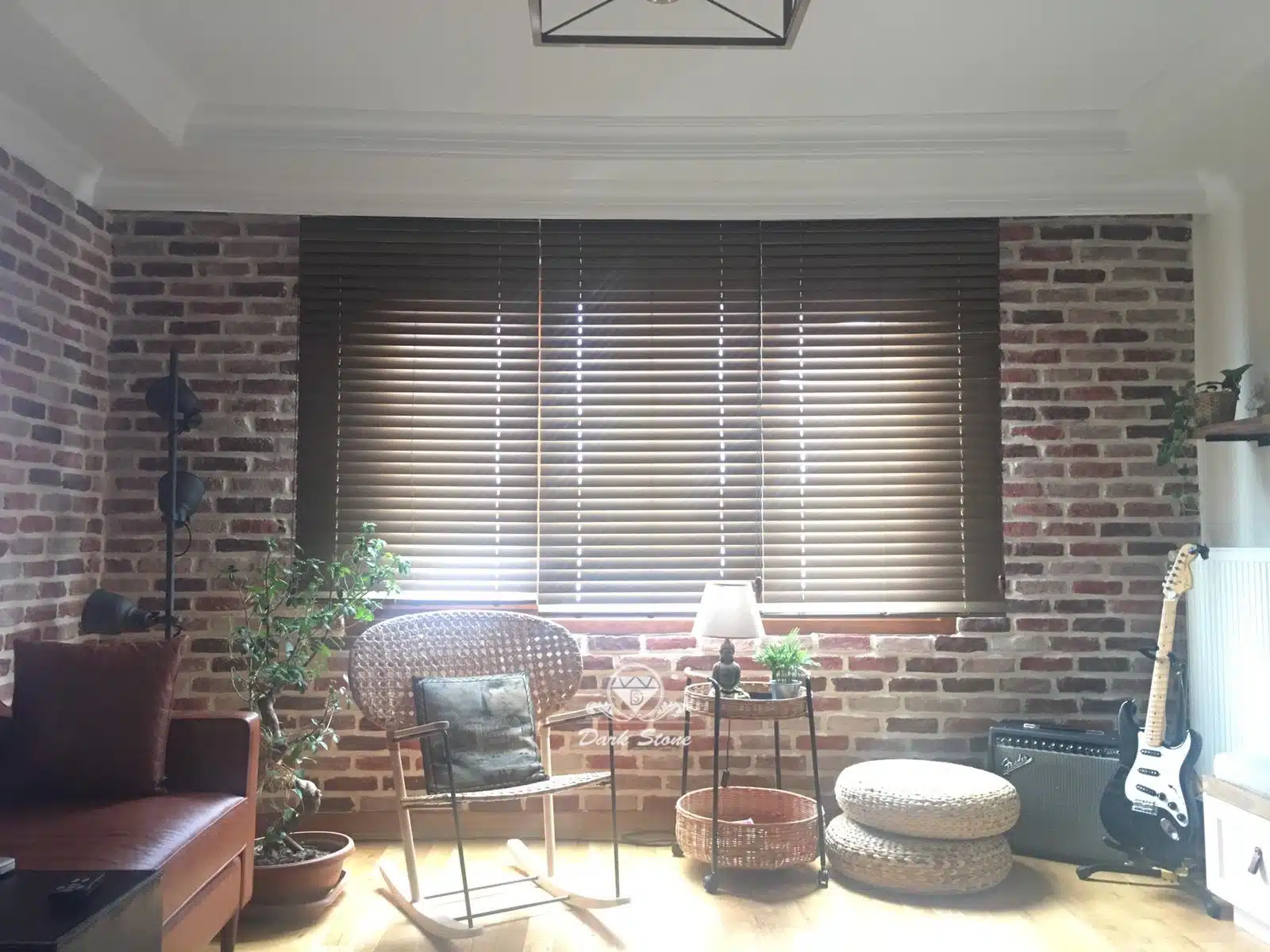
For a brick rather than stone look, cultured brick models give apartment blocks, shops and houses a warm, urban appearance.
Choosing a colour
- Match the roof and joinery: anthracite windows suit grey and anthracite stones; timber windows suit brown and beige.
- Match the surroundings: earth tones look natural in a green garden, greys on a modern urban building.
- Daylight: colours look lighter outdoors than indoors, so judge samples outside in daylight.
- Mixed tones: look closest to natural stone and hide weathering better.
Technical points
Surface preparation
The surface must be sound, clean and even. Check the condition of old render, paint or coatings, and fix damp and leaks first. On façades with external insulation, the installation method must be assessed during the site visit.
Corners and details
Corner modules on building corners, columns and window reveals make the cladding look like a real stone wall. Sills, parapets and edges where stone meets render should be detailed to keep water out.
Contact with the ground
The bottom edge of the cladding should not be in direct contact with soil or constantly wet ground; leave a suitable detail between garden level and cladding.
For the general steps, see how to install cultured stone.
Garden and boundary walls
Garden walls should be planned together with the façade. Using the same stone, or a matching model, gives a unified look. Include wall copings and pillar caps in the design.

Free site visit and quote
Exterior projects need on-site measuring and a surface check. We offer free site visits for projects in Ankara and quote based on façade area, corners and detailing. See area calculation and price for the cost factors and our exterior projects for more examples. Contact us for a quote.
Frequently asked questions
Which stone is most popular for façades?
Slate and interlocking slate on modern façades; river, field and castle stone on rustic ones. It depends on the building’s style.
Can stone be applied over external insulation?
It depends on the type and condition of the insulation system; the method must be assessed during the site visit.
Clad the whole façade or just part of it?
Modern buildings often use stone on the ground floor, entrance and vertical accents; rustic buildings are often fully clad. We can decide together based on budget and design goals.