Cultured Stone vs Natural Stone: Differences and Which to Choose
The differences between cultured and natural stone — weight, installation, colour consistency, cost and uses — and which makes more sense for your project.
Once you decide to clad a wall in stone, the first question is usually: natural stone or cultured stone? Both give a wall the texture of stone, but they differ significantly in how they are made, their weight, installation and cost. Here is an impartial comparison.
What is natural stone?
Natural stone is quarried and then cut or split into cladding. Every piece is unique, with texture and colour exactly as nature made them. On the other hand, the pieces are usually thick and heavy, and size and colour can vary widely from piece to piece.
What is cultured stone?
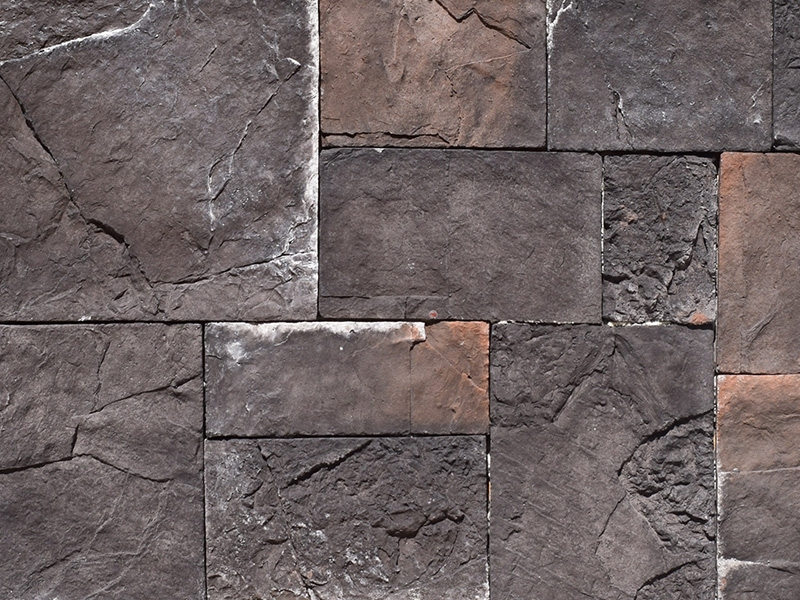
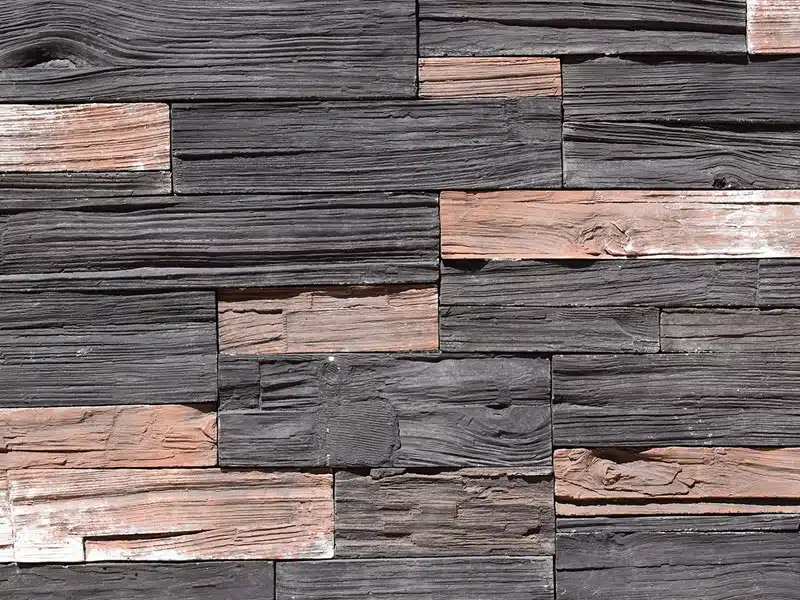
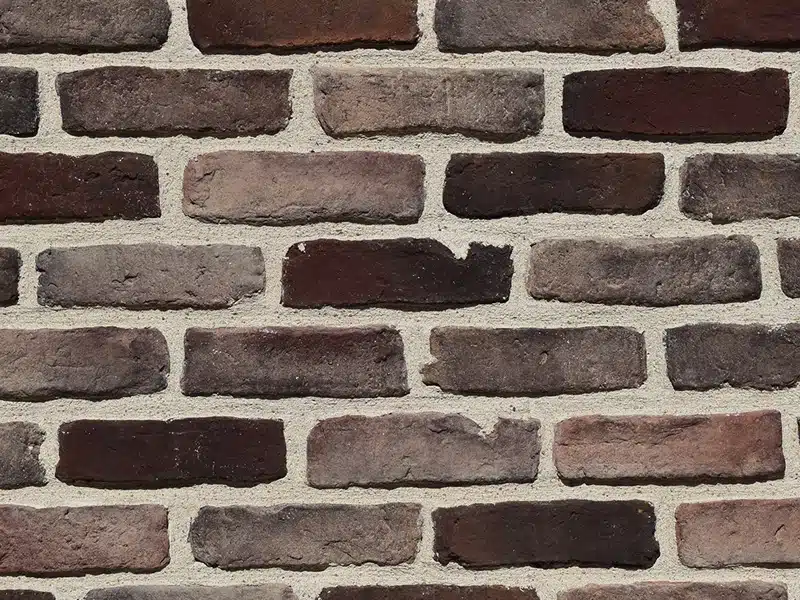
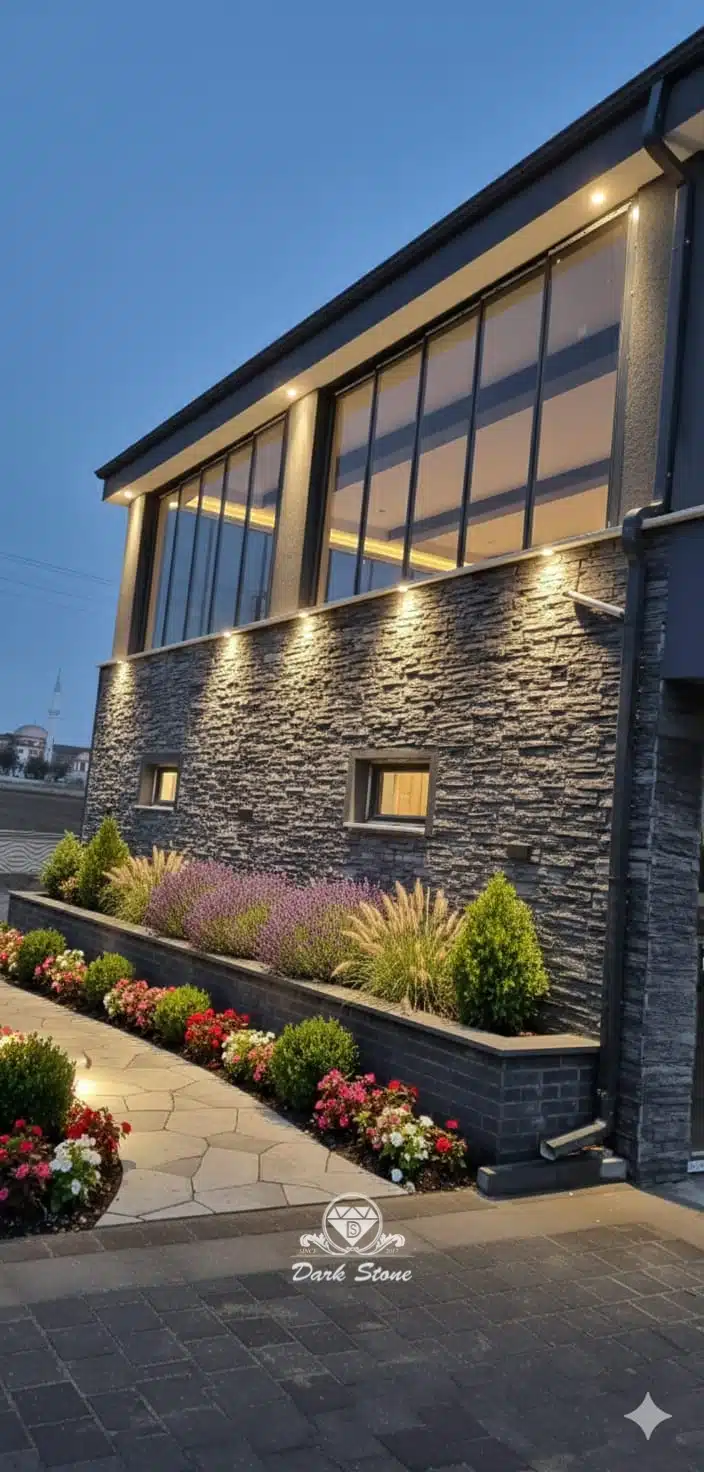
Cultured stone (also called manufactured or decorative stone) is a cladding material produced in moulds taken from natural stones. A cement-based mix is poured into the moulds and coloured, recreating the texture of natural stone in thin, lightweight pieces. At our factory in Ankara, Dark Stone produces 18 stone and 11 brick models this way. See all models on our cultured stone page.

Cultured stone vs natural stone at a glance
| Feature | Cultured stone | Natural stone |
|---|---|---|
| Weight | Light — around 22–30 kg/m² | Usually much heavier |
| Thickness | Thin pieces | Thick and variable |
| Installation | Bonded to the existing wall, relatively quick | More labour, may need structural checks |
| Colour and size | Consistent; the same colour can be reordered | Varies piece to piece and batch to batch |
| Corners | Ready-made corner modules | Stones must be cut and dressed |
| Colour range | Wide palette, custom colours possible | Limited to the stone’s natural colour |
| Look | Natural stone texture recreated from moulds | Every piece unique, fully natural |
Advantages of cultured stone
Light weight and easy installation
Weight is cultured stone’s biggest advantage. Being much lighter than natural stone, it can be applied to existing walls, plaster or concrete surfaces without adding significant load — a practical solution for renovations and upper floors.
Variety of colours and textures
The same model can be produced in different colours, so you can choose the tone that suits your space. Dark Castle Block comes in 14 colours, as does Dark Interlocking Slate Stone. If a tone isn’t in the catalogue, you can request a custom colour.
Consistent results
Because size and colour are predictable, the finished wall looks very close to the sample you saw in the showroom — and it is easy to reorder the same colour later.
Corner modules
Ready-made corner pieces are produced for external corners, so columns, window reveals and building corners look like real built stone.
When is natural stone the better choice?
Natural stone may suit restoration projects, buildings where local architecture must be preserved exactly, and applications where stone is used structurally or in thick layers. For decorative wall cladding, however, its weight, labour and transport costs often make cultured stone the more practical option.
Which should you choose?
- To clad an existing wall or façade quickly and lightly → cultured stone
- For colour consistency and a wide range of colours → cultured stone
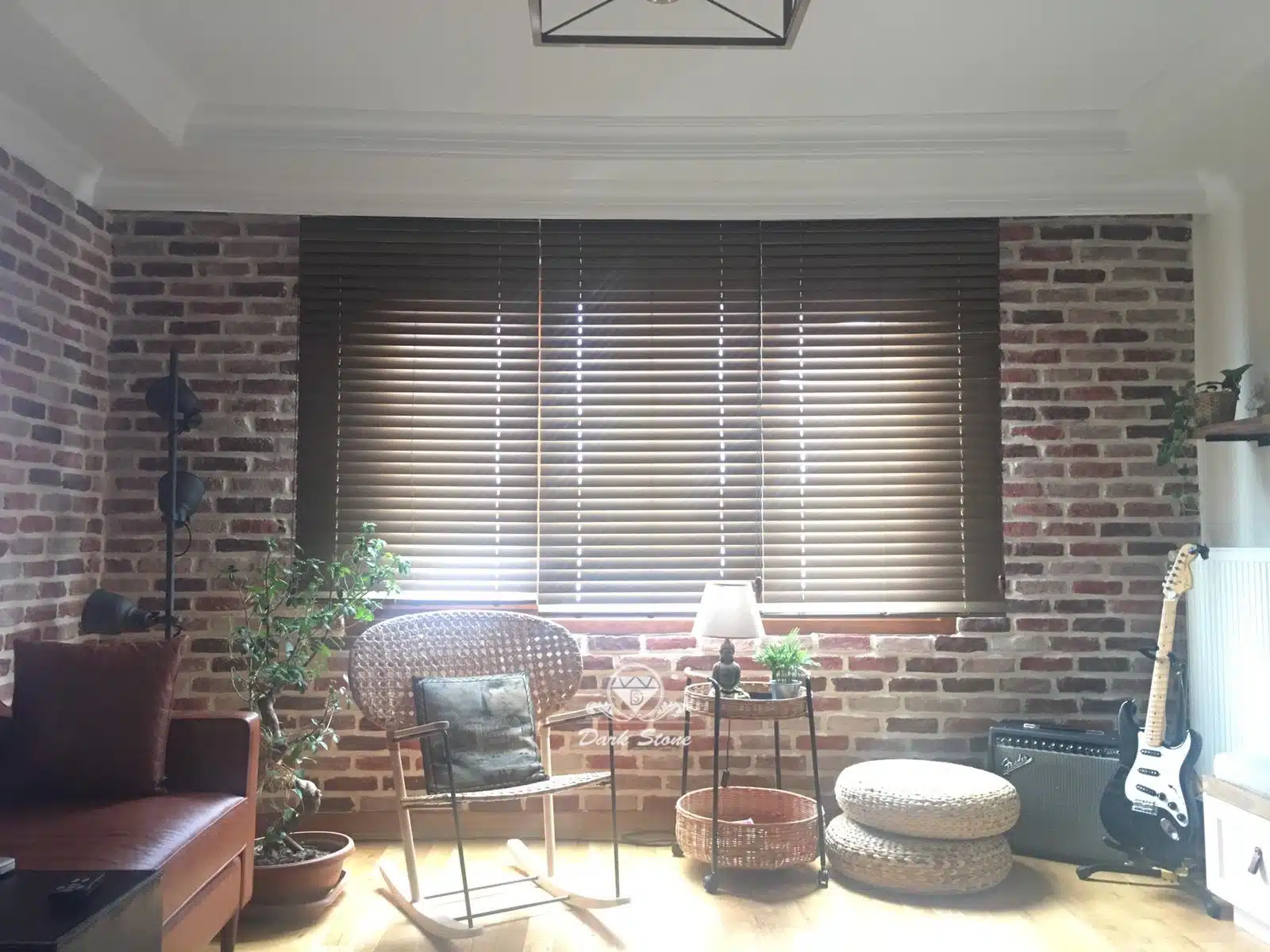
- For interiors such as living rooms, fireplaces, offices and cafés → cultured stone
- For special cases such as restoring a historic building or load-bearing walls → natural stone may be considered
It is best to see both materials in person before deciding. Visit our showroom in Ankara to see our cultured stone models up close, and browse our interior and exterior projects. If you’re planning cladding, our checklist will help too.
Frequently asked questions
Does cultured stone look like natural stone?
Because it is made from moulds of natural stones, its texture is very close to the real thing. Mixed-tone colours and corner modules make the natural look even stronger.
Can cultured stone be used on façades?
Yes, cultured stone is used indoors and outdoors. Correct surface preparation and installation are important outside; see our exterior cladding guide.
Which is more economical?
Prices vary by model, stone type and installation, but cultured stone’s light weight often reduces transport and labour costs. We explain the cost factors in area calculation and price.