What to Consider When Getting Stone Cladding in Ankara
Before getting stone cladding in Ankara: what to know about the space, material, surface preparation, colour choice, area calculation and installers — a step-by-step checklist.

Stone cladding permanently changes the look of a wall, so it pays to settle a few basics before you decide — it affects both your budget and how happy you are with the result. As a company that has been producing stone and brick cladding at our factory in Ankara since 2017, we have gathered our customers’ most common questions into this checklist.
1. Be clear about where the cladding goes
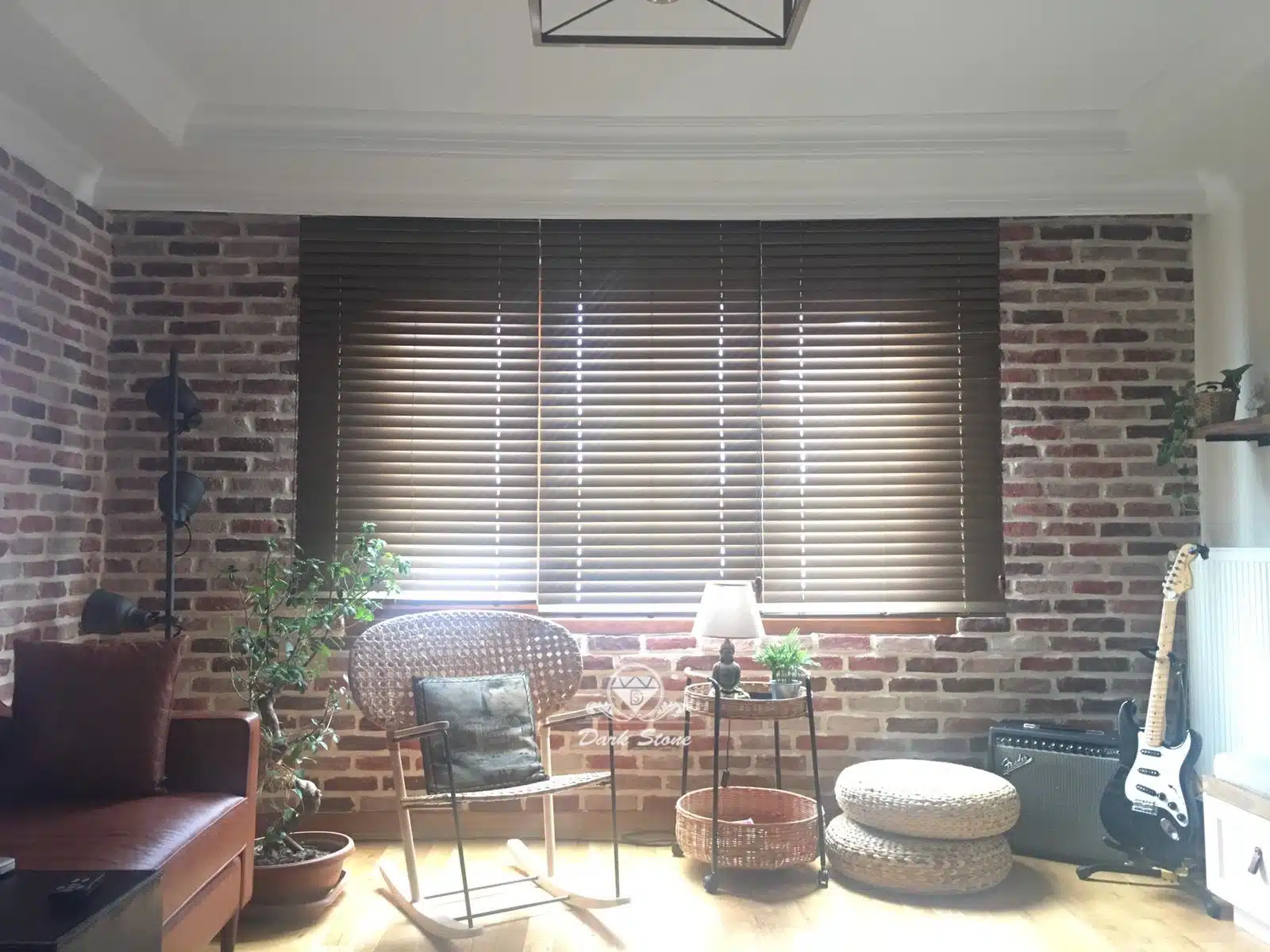
Interiors and façades have different requirements. On a living-room wall, texture and colour come first; on a façade, surface preparation, waterproofing and detailing (window reveals, sills, corners) matter more. Around fireplaces or kitchen backsplashes, heat, steam and cleaning must also be considered. For examples, see our interior and exterior project galleries.
2. Natural stone or cultured stone?
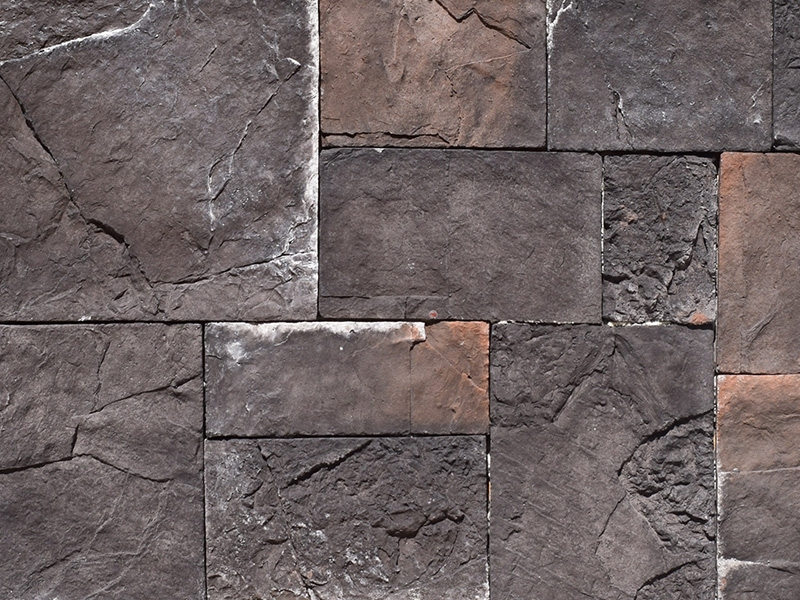
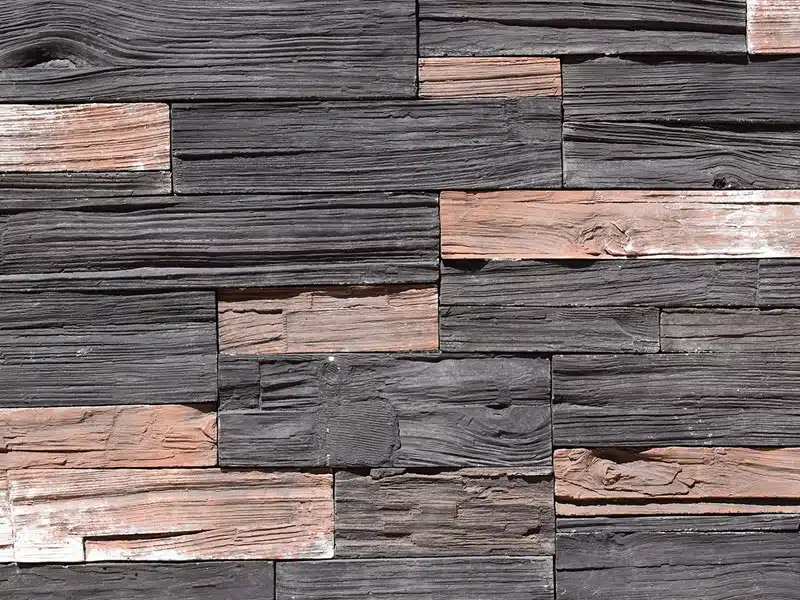
There are two main options: natural stone quarried and cut to size, and cultured stone, which recreates the texture of natural stone using moulds. Dark Stone produces cultured stone and cultured brick. Cultured stone weighs around 22–30 kg per m²; this light weight makes it easier to apply to existing walls and reduces the load on the building. For a full comparison, read cultured stone vs natural stone.

3. Have the surface checked
One of the biggest factors in the life of cladding is the surface beneath it. It must be sound, clean, dust-free and as level as possible. Blistered plaster, old paint, damp or cracks should be dealt with first. On façades with external insulation, the installation method must be assessed during the site visit. We explain the steps in how to install cultured stone.
4. Choose model and colour in daylight
Choosing from a catalogue or a screen can be misleading — stones look different in daylight, under artificial light and across a large wall. If possible, see several colours side by side in the showroom and study project photos. As a rule of thumb:
- Light tones (cream, beige, light grey) make small or dim rooms feel larger.
- Dark tones (anthracite, brown) make a strong statement on modern façades and large walls.
- Mixed tones look closest to natural stone and hide small imperfections.
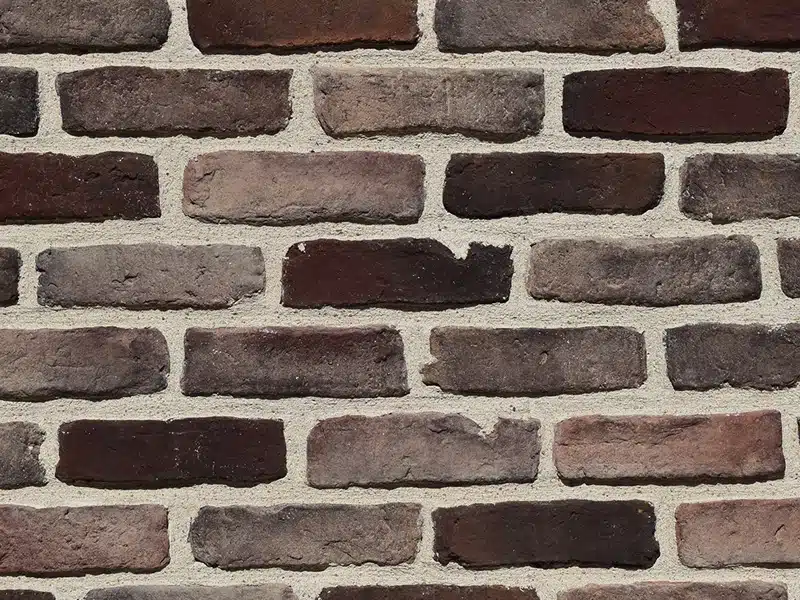
Browse the models colour by colour on our cultured stone and cultured brick pages.
5. With or without joints?
Some models are laid with grout joints, others tightly without joints, and some allow both. Joint colour changes the overall look considerably: light joints make the stones stand out, dark joints create a more uniform surface. It is best to decide this together with the colour.
6. Don’t forget the corners
External corners, columns and window reveals decide whether the cladding looks like real stone. Using a corner module instead of cutting and joining flat pieces shows both faces of the stone and looks far more natural. Corners should be calculated separately from the area.
7. Calculate the area correctly
Multiply the wall’s width by its height, subtract doors and windows, and add a small allowance for cuts and breakage. Corners are calculated separately in metres. See area calculation and price for a worked example — or use our free site visit for exact measurements.
8. Compare quotes like for like
Don’t compare price per m² alone. Ask whether the quote covers material only or material and labour, and whether corner pieces, adhesive and grout, surface preparation and delivery are included. Only quotes with the same scope can be compared fairly.
9. Plan for maintenance
Cultured stone usually needs nothing more than regular dusting, but kitchens, fireplaces and façades get dirty in different ways. Read stone and brick cladding care to see which cleaning methods to avoid.
Working with Dark Stone in Ankara
Dark Stone produces 18 stone and 11 brick models at its own factory in Ankara. Visit our factory and showroom to see the stones up close and compare colours side by side. We offer a free site visit for projects in Ankara and prepare a tailored quote after measuring. Contact us for information and appointments.
Frequently asked questions
Can stone cladding be applied to any wall?
It can be applied to most walls with a sound, clean and even surface. Problem surfaces must be repaired first; we assess this together during the site visit.
How long does stone cladding take?
It depends on the size of the area, the number of corners and openings, and the condition of the surface. You will get a project-specific timeline after the site visit.
What is the biggest difference between cultured and natural stone?
Weight and ease of installation. Cultured stone is much lighter than natural stone and more consistent in colour and size.